AI vs Traditional Product Photography: Honest Comparison for Small Businesses
Every few weeks a seller asks us some version of the same question: "Is AI product photography actually good enough, or do I still need a real photographer?" The honest answer is it depends on the surface the image will live on — and most articles on this topic are written by either AI companies (us included, so read critically) or photographers, each pretending the other side doesn't exist.
Here's the comparison we'd give a friend, with real Malaysian prices and the failure cases of both options.
The real costs, side by side
| Traditional studio shoot | AI generation | |
|---|---|---|
| Typical cost (Malaysia) | RM300–800 per session, or RM30–80 per finished photo | ~RM0.35–4 per finished image |
| Turnaround | 1–2 weeks including retouching | 30–60 seconds |
| New SKU added later | New booking, new session fee | Upload a phone photo, generate |
| Revisions | Per-photo retouching fees | Regenerate until happy |
| Seasonal variants (CNY, Raya, 11.11) | Full reshoot per theme | Same photo, new scene preset |
| Equipment you need | None (it's their studio) | A phone with a clean lens |
The cost asymmetry isn't subtle — it's two orders of magnitude. But cost only matters if the output is usable, so the real question is quality.
What AI does as well as a studio (in 2026)
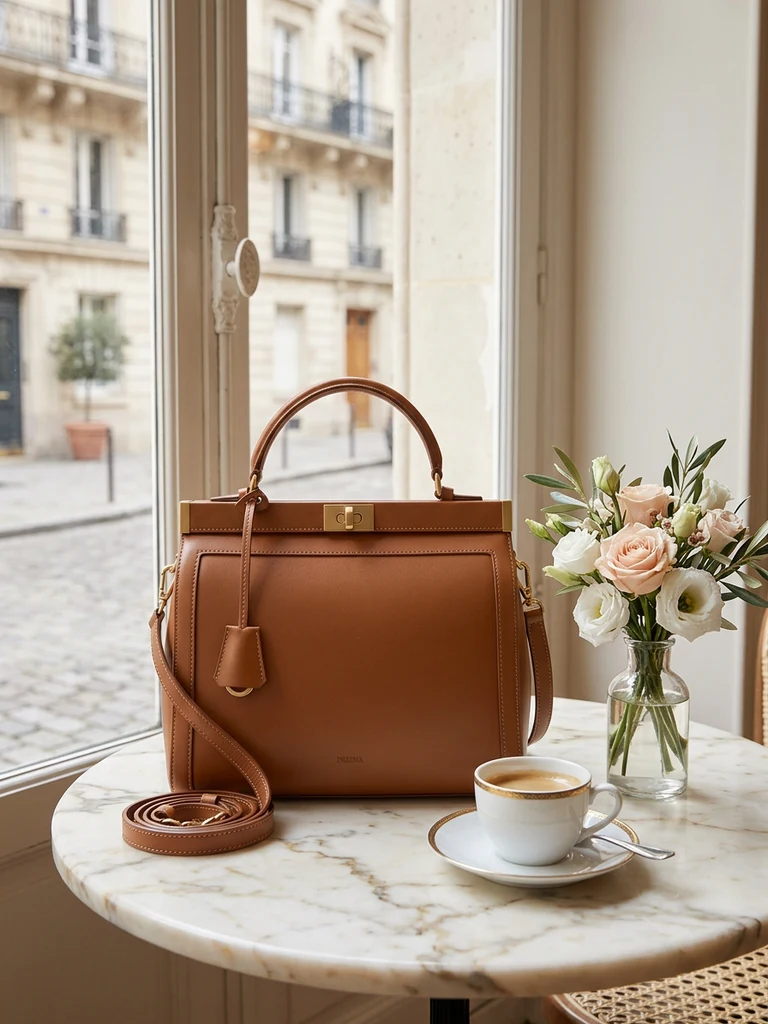
Backgrounds, surfaces and lighting mood. Modern background-swap models generate studio sweeps, marble counters, outdoor scenes and the soft directional lighting to match — including physically plausible contact shadows. For a marketplace listing viewed on a phone screen, the difference from a real set is genuinely not detectable.
White-background compliance covers. The bread-and-butter studio job — product on white, slight shadow — is now a solved problem. This was 80% of what small sellers paid photographers for.
Seasonal and platform variants. This is where AI isn't just cheaper but better: a photographer shoots the scene that exists that day. AI re-stages the same product for Shopee white, Lazada lifestyle, TikTok bold, CNY red-and-gold, Raya green — from one source photo, in an afternoon. No studio can match that iteration speed at any price.
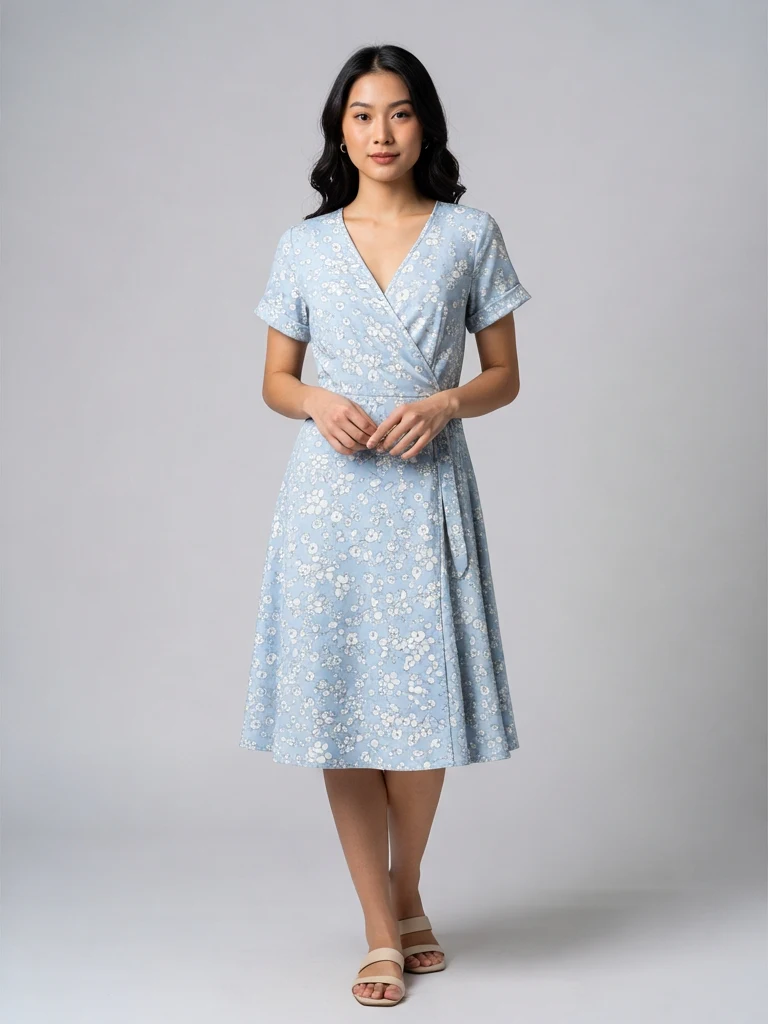
Apparel on models. Virtual try-on puts a flat-lay garment onto a model photo in about a minute. A real model shoot starts around RM500 in Malaysia once you count the model, the photographer and the half-day. For a small clothing shop, this single category of AI justifies itself.
What a photographer still does better
Honesty section. These are the cases where we tell people to book the studio:
Hero imagery for your own brand site. A campaign image that will sit at 2400 px across your homepage, get printed on packaging, or anchor paid social for six months — the ceiling of a controlled physical shoot is still higher. Art direction, real propping and human styling judgment compound at large sizes where AI artefacts become visible.
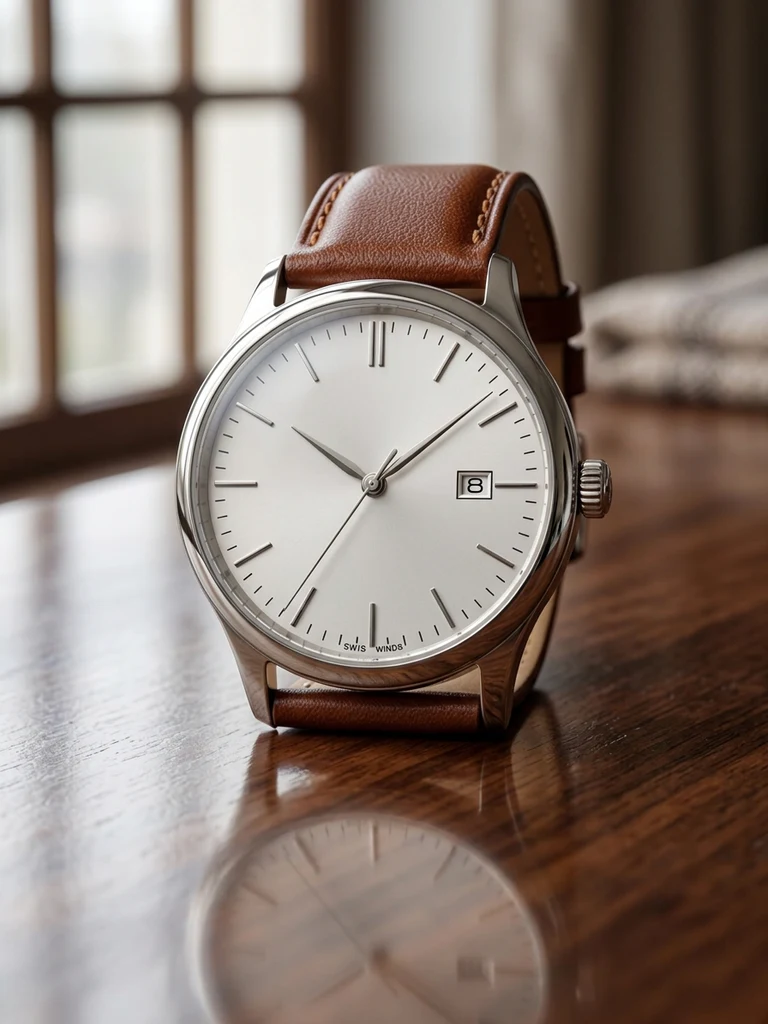
Products whose texture is the product. High-end leather, jewellery with complex stone refraction, knitwear where the buyer is judging the yarn. AI keeps the product pixels intact when swapping backgrounds, but the original phone photo's capture quality becomes the limit — and these categories often need macro lenses and controlled specular lighting at capture time.
Anything involving real human interaction. Hands demonstrating a tool, a family using the product. Generated humans in product photos still read as synthetic at gallery sizes, and platforms increasingly require disclosure for synthetic models. (Try-on with a real model photo, where AI only handles the garment, is a separate and safe case.)
Brand identity development. A photographer who shoots your whole catalogue develops a consistent visual language. AI gives you consistency through presets, but it won't invent a distinctive look for you — someone still has to make taste decisions.
The hybrid playbook most successful shops actually run
The framing of "AI vs photographer" is mostly wrong. The shops doing this well split the work:
- One professional session per year for the 3–5 hero products: brand-site imagery, packaging, top-of-funnel ads. Budget RM500–800.
- AI for the catalogue long tail: every marketplace listing, every secondary image, every seasonal re-skin. At ~RM1/image this is where 95% of image volume lives. Our no-photographer workflow covers the phone-capture technique that feeds it.
- Real phone photos for authenticity slots: the in-hand scale shot and the honest "what arrives" frame. Zero cost, and they reduce disputes more than any polished image.
The math for a 50-SKU shop: hybrid approach ≈ RM700 photography + ~RM250 of AI credits per year, versus RM6,000+ for full-catalogue studio coverage. Same shelf impact where it counts.
Quality checks that apply to both
Whoever — or whatever — produces your images, reject them if:
- Label text isn't tack-sharp at 100% zoom (kills marketplace zoom inspection)
- The shadow direction contradicts the scene's light source
- The product colour drifted from reality (photograph a white sheet of paper next to the product as a reference frame)
- The image promises something the buyer won't receive — the dispute rate will eat every ringgit you saved
Bottom line
For marketplace listings — Shopee, Lazada, TikTok Shop — AI product photography in 2026 isn't a budget compromise; it's the standard workflow, and the cost difference funds actual growth (ads, inventory). For brand-defining hero imagery, book the studio once a year and make it count.
If you want to test the AI side on your own products, the free studio includes 500 credits on signup — enough to re-stage about five SKUs and judge the output against whatever you're paying for today.
Try it on your own product photos
Product DIY turns one casual phone photo into professional listing images, ad posters and try-on shots. New accounts get 500 free credits — no card needed.
Open the Free Studio